To delve deeply into photography means to draw inspiration from the geometries and compositional patterns that surround us.
Has it ever happened to you, after a few years of experience, that you find yourself viewing the world through the lens of the photographic frame that captures reality? Studying the great photographers, curiosity, and visual education lead us to look at our surroundings with a different eye—a photographer’s eye.
We take photographs, but why do certain shots, focal lengths, and angles feel familiar to us—as if they’re “just right”? The compositions and the patterns that make them up are never “ours” but are part of the visual repertoire that human beings carry with them—a sort of collective memory and visual knowledge that influences one another and blends together.
Here are three examples in which the vision of great photographers has intersected with or dictated the visual rules of other works:
1. The Irony of Geometry: Luigi Ghirri and Garry Winogrand
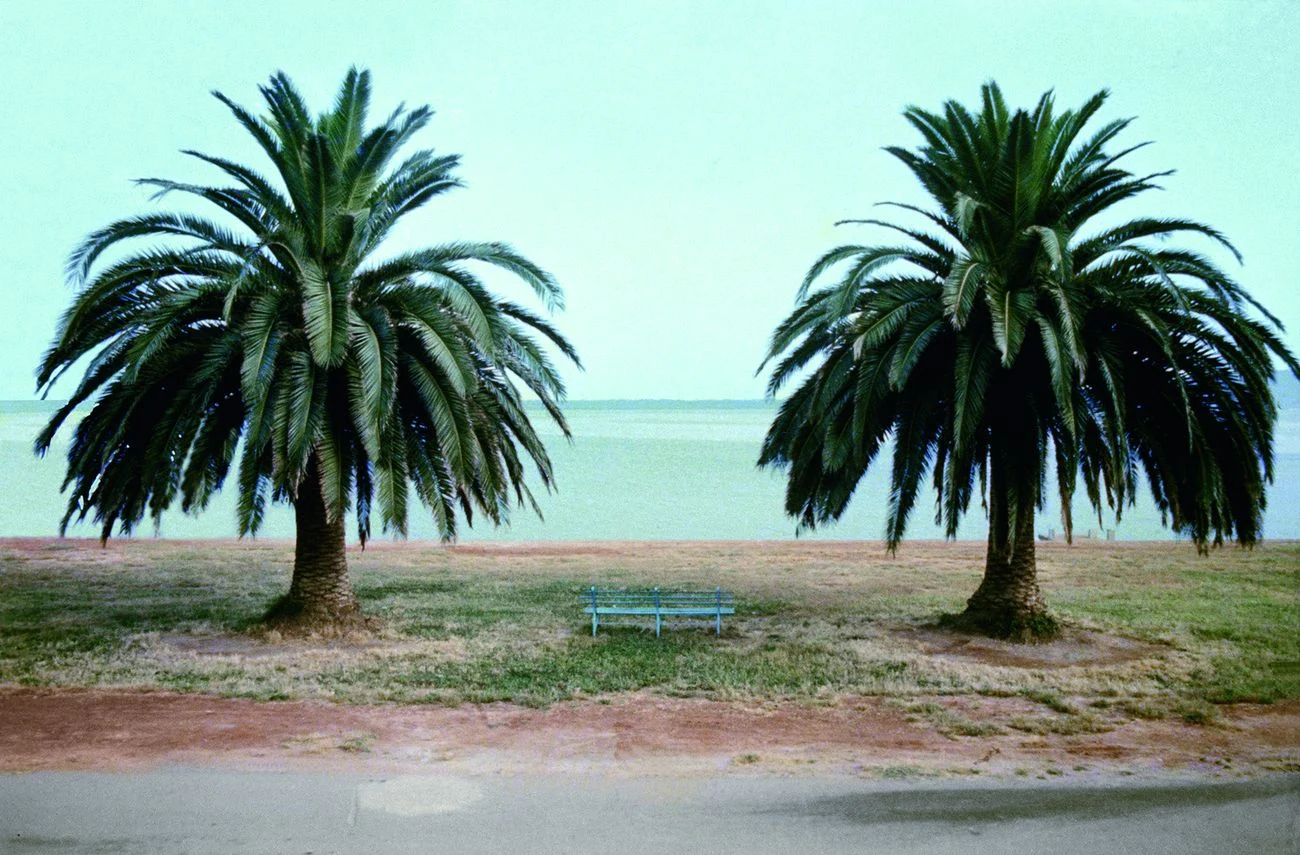
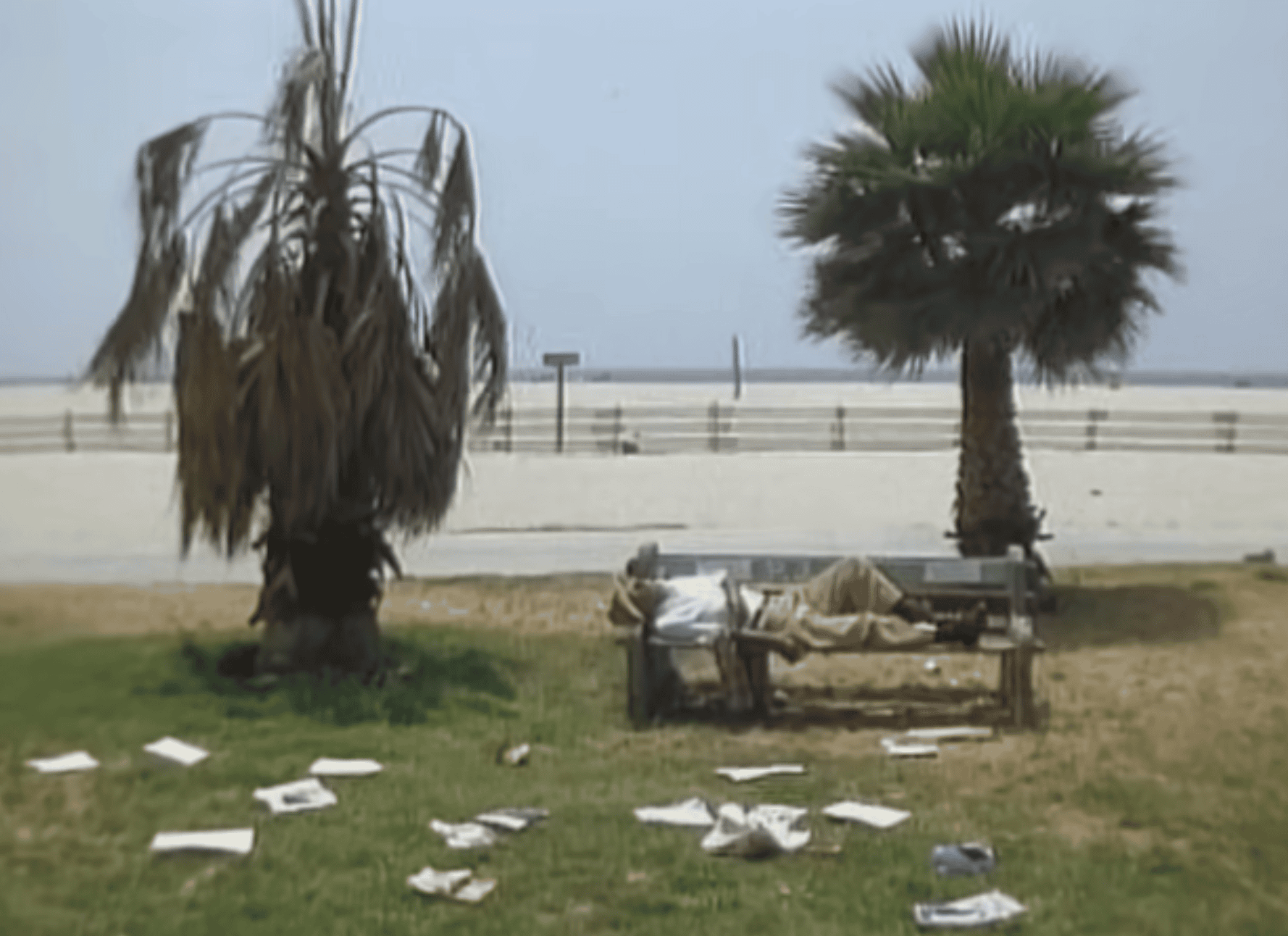
On the one hand, we have the contemplative, silent, and perfectly symmetrical aesthetic of Luigi Ghirri, who in 1974 in Orbetello framed two perfect palm trees with a bench in the center. On the other, a still taken from a video in which Garry Winogrand—a master of the most frenetic and compulsive street photography —captures exactly the same compositional pattern on the American coast, with a man lying down to fill the void. Despite their diametrically opposed photographic approaches, both artists draw on the same visual memory, recognizing the same surreal irony in the orderly landscape.
2. The Contrast of the Street: Boogie and Mark Romanek ("99 Problems")
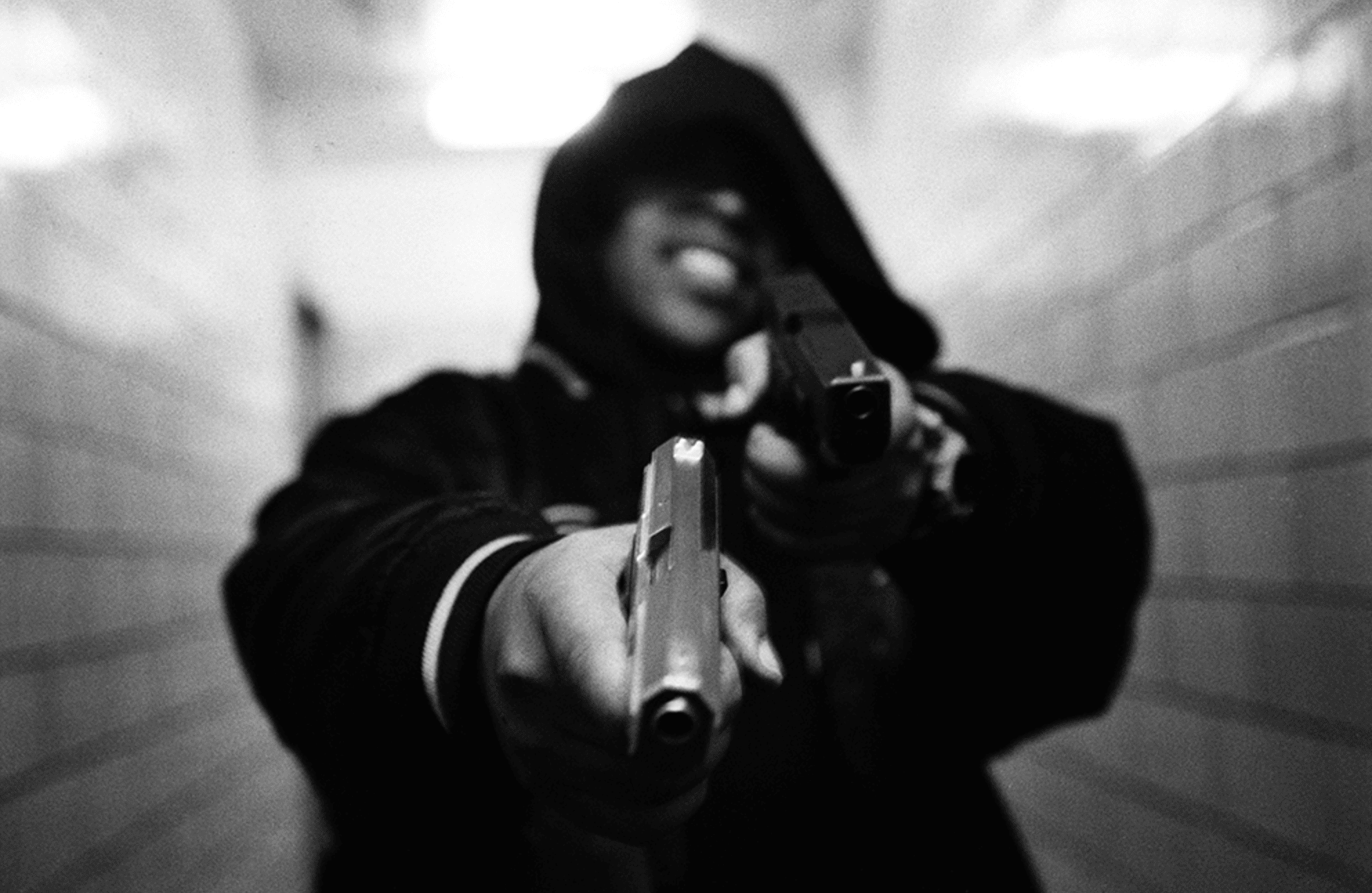
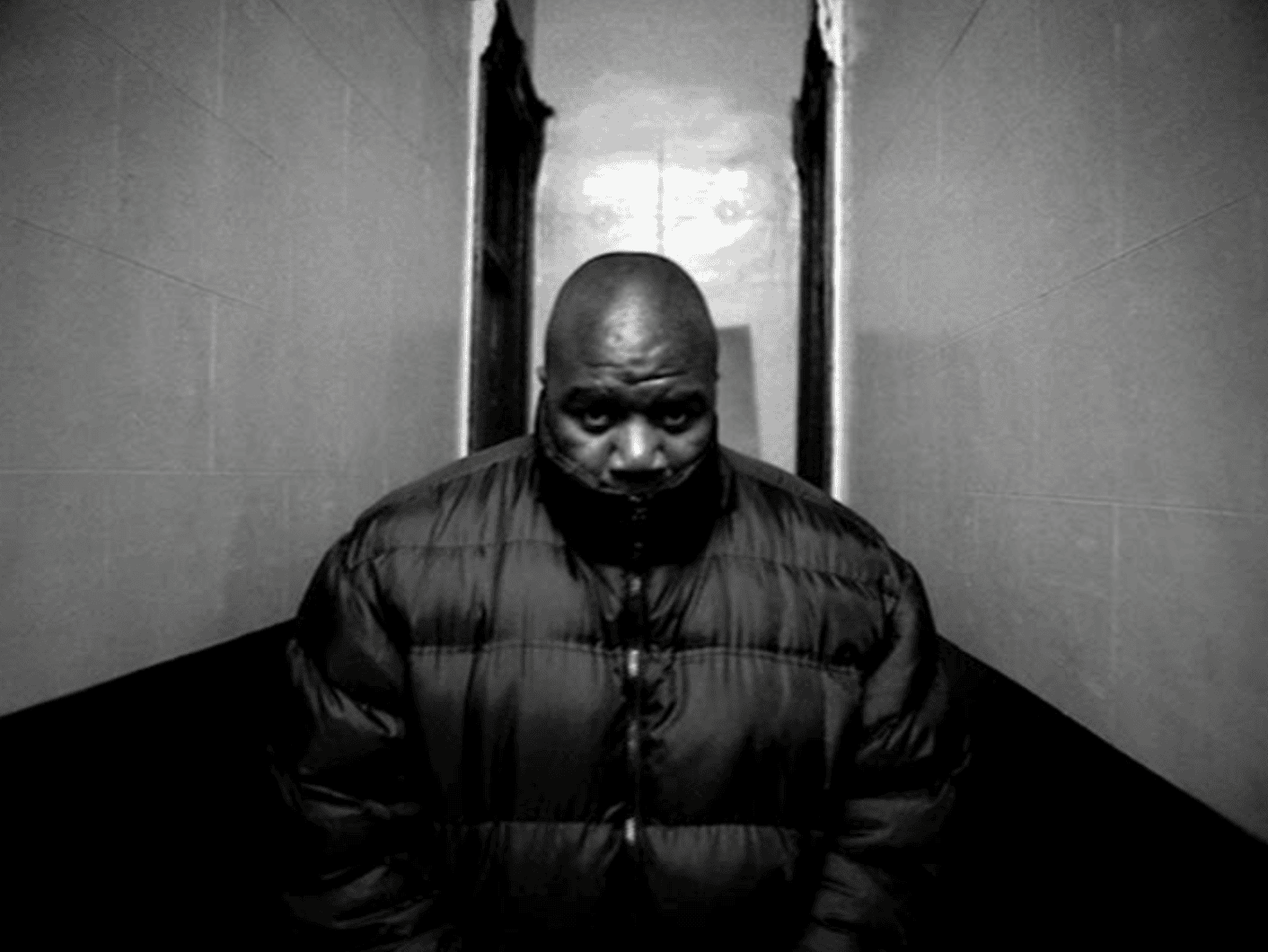
The street doesn’t need aesthetic filters to be portrayed. Photographer Boogie has documented the toughest neighborhoods in grainy, raw, high-contrast black-and-white, where the use of a close-up flash leaves his subjects with no escape. This same uncompromising aesthetic was literally transposed into Jay-Z’s famous music video “99 Problems” by director Mark Romanek. The decision to replicate that visual language—typical of the most hard-hitting photojournalism—is what gives the images their ruthless urban authenticity.
3. Isolation and the Landscape: Alec Soth and Joel and Ethan Coen (Fargo)
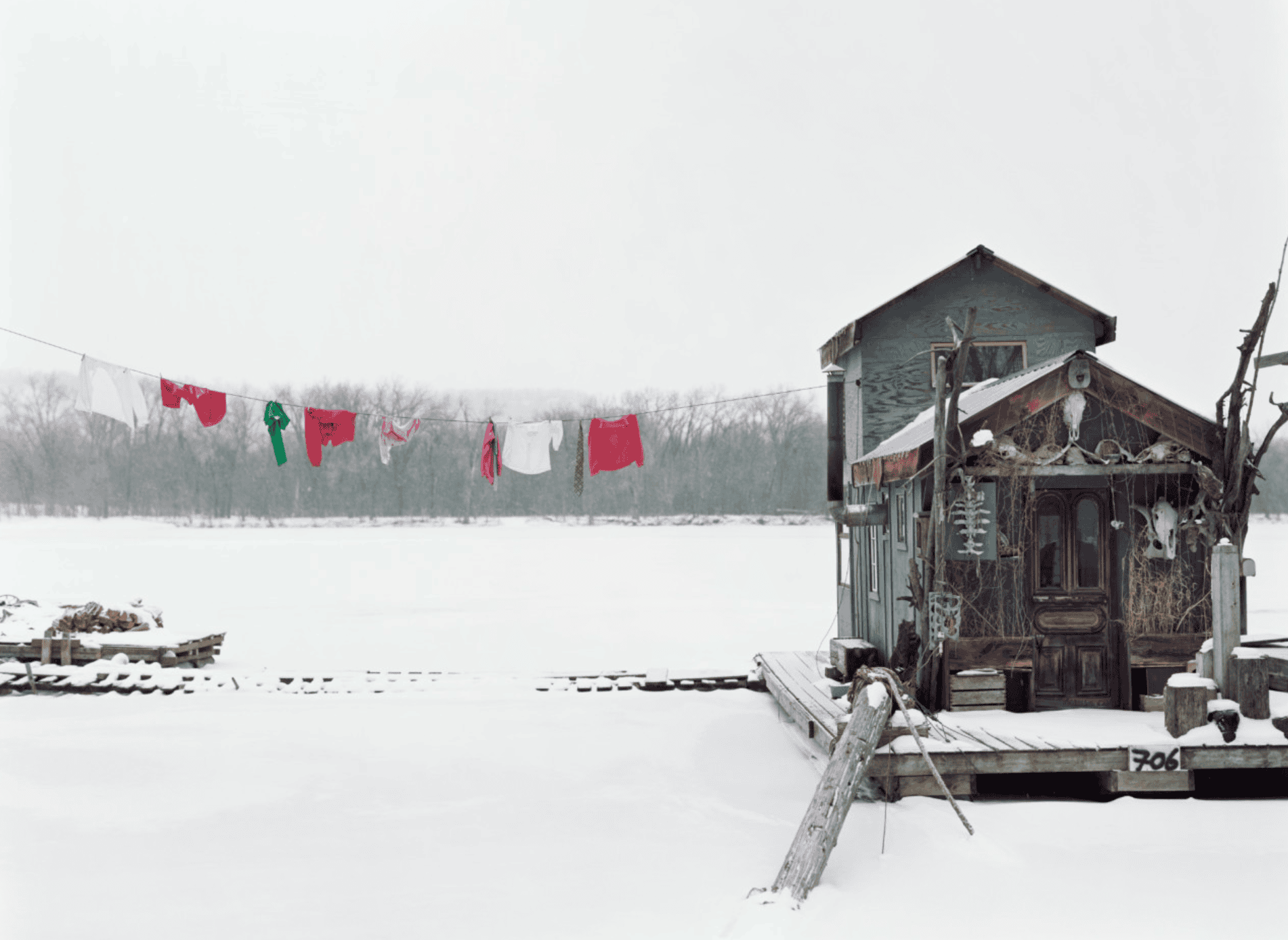
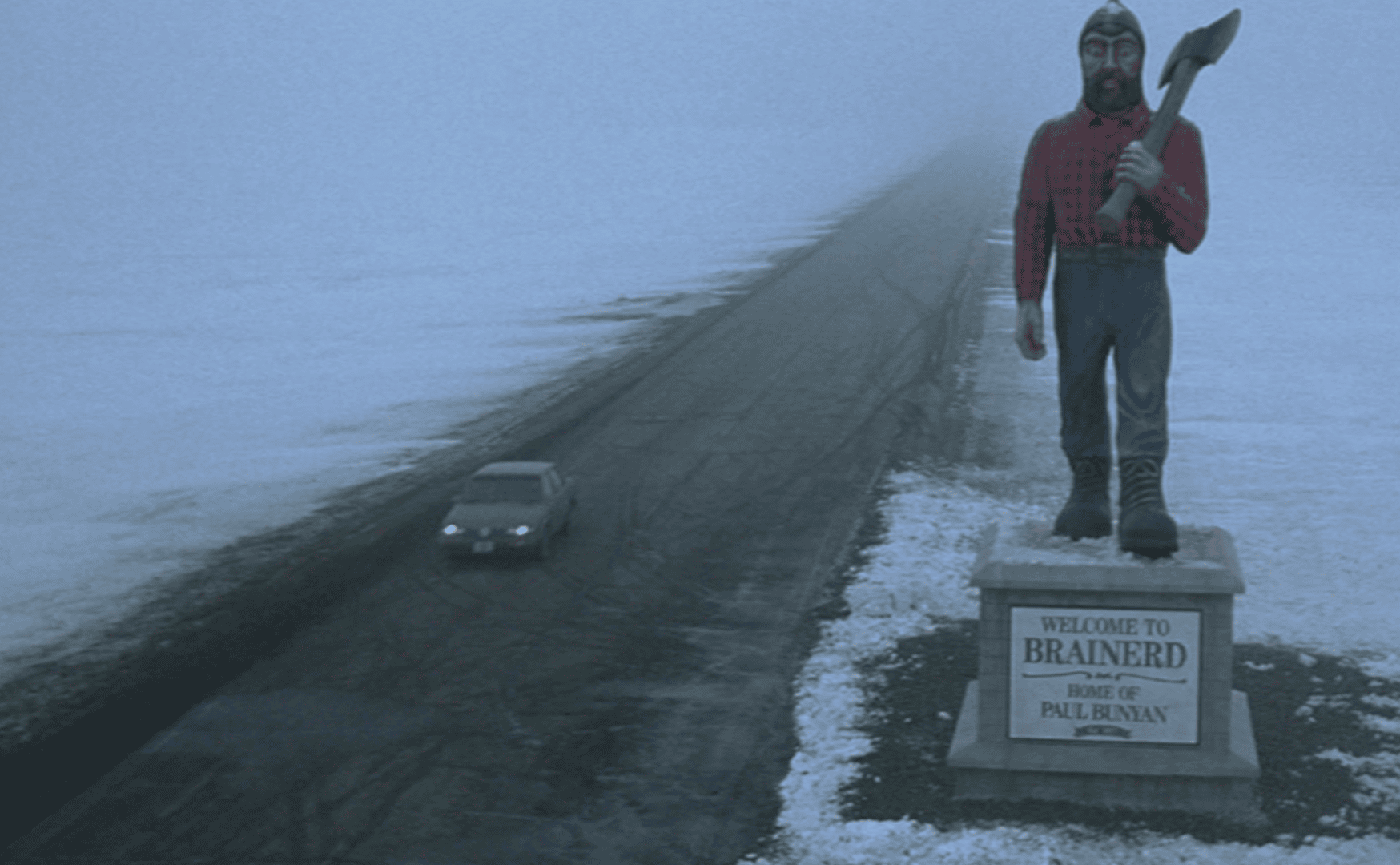
In documentary photography, the way the subject inhabits the space is fundamental. Alec Soth’s compositions in the American Midwest—such as the famous house floating in the snow in Minnesota—depict a boundless landscape that overwhelms fragile human structures. The sense of total isolation and the absence of a visible horizon (the so-called “whiteout” effect) were recreated with pinpoint precision by the Coen brothers in the film *Fargo*. In this case, cinema draws on documentary photography to learn how to transform emptiness and flat light into narrative elements of pure alienation.
Training your eye isn’t just about studying technique; it’s about learning to recognize the invisible connections that link images together. This is the kind of visual education we strive to impart at Daylight School: breaking down shots to understand where they come from, and then learning to create our own.